

frosted glass manufacturer
Understanding the 8% Butterfly Valve Function and Importance in Fluid Control Butterfly valves are essential components in various industrial applications, servicing a multitude of sectors, including water treatment, chemical processing, and HVAC systems. Among the various designs and specifications of butterfly valves, the term 8% butterfly valve often refers to a specific torque requirement or capacity in operational functionality. Understanding the intricacies of such valves can significantly enhance efficiency and reliability in fluid control systems. What is a Butterfly Valve? A butterfly valve is a quarter-turn valve that uses a rotating disc to control the flow of fluid. The disc is mounted on a shaft, and when the valve is turned 90 degrees, the disc either opens or closes the flow path. This mechanism allows for quick operation and makes butterfly valves an ideal choice in applications where space is limited and efficiency is crucial. The Significance of the 8% Capacity The term 8% butterfly valve pertains to a design specification that indicates the valve’s ability to handle certain flow rates or pressures effectively. This percentage often relates to the percentage of the maximum flow capacity that can be controlled or regulated by the valve without incurring excessive cavitation or loss of pressure. For instance, if a valve is rated for a maximum flow capacity and is optimized for 8% control performance, it means that it can manage flow rates that are 8% of its full capacity under specific conditions. The 8% butterfly valve is particularly useful in applications where precise control of large volumes is necessary. Industries that require regulation of fluids in variable conditions, such as power plants, food processing units, and oil and gas operations, benefit from such valves. The proportionate arrangement enhances performance while ensuring the system operates smoothly within established parameters. Key Benefits of 8% Butterfly Valves 8 butterfly valve 1. Efficient Flow Control One of the primary benefits of an 8% butterfly valve is its capability to control large volumes of fluid efficiently. The quick, quarter-turn operation reduces the time required to open or close the valve, simultaneously optimizing flow rates. 2. Compact Design Butterfly valves are known for their compact construction, making them easier to install and maintain compared to larger valve types. This compactness is a vast advantage in systems with limited space. 3. Durability and Reliability The design of the 8% butterfly valve ensures robust performance over time. These valves are built to withstand various pressure conditions, enhancing their reliability in critical operations. 4. Cost-Effectiveness Given their efficient operation and long lifespan, 8% butterfly valves can be a cost-effective solution for industries looking to minimize operational costs while maintaining high standards of fluid control. Applications of 8% Butterfly Valves The versatility of 8% butterfly valves allows their use across numerous sectors. In water treatment facilities, these valves regulate the flow of water and chemicals essential in purification processes. In the oil and gas industry, they manage the flow of hydrocarbons, ensuring safety and efficiency. Moreover, HVAC systems utilize butterfly valves to maintain air and water flow in heating and cooling systems. Conclusion In conclusion, the 8% butterfly valve plays a vital role in modern fluid control systems. Its design fosters efficient operation, durability, and cost-effectiveness, making it integral to many industrial processes. As industries continue to evolve and demand higher efficiency and reliability, understanding and implementing the appropriate specifications of valves like the 8% butterfly valve becomes increasingly essential. By leveraging such technology, businesses can enhance their operational standards while ensuring safe and effective fluid management.
about
frosted glass manufacturer
In industrial and infrastructure projects, the proper installation of control valves is not only crucial for system functionality but also for ensuring safety. Control valves , including flow control valves and pressure control valves , from Storaen (Cangzhou) International Trading Co. are essential components in various fluid management systems. Multifunctional Pump Control Valve Specifications Table Parameter Details Component Composition Consists of main valve, regulating valve, and receiver system Valve Body Structure Adopts DC type valve body Main Valve Control Chamber Diaphragm type or piston type double control chamber structure Control Chamber Feature One additional control chamber compared to general hydraulic control valves , enhancing main valve control functions Realized Functions Enables slow opening, full opening, slow closing, and stopping at pump outlet, achieving multifunctional control Application Scenarios Used in high-rise building water supply systems and other water supply system pump outlet pipelines Key Roles Prevents and attenuates water hammer during pump start and stop, prevents water backflow to protect the pump, maintains pipeline safety Technological Evolution Replaces manual valves with hydraulic and electric valves, emerging new types like slow-opening and slow-closing backstop valves for automation and reliability improvement General Safety Precautions for Control Valve Installation Before starting the installation of control valves from Storaen (Cangzhou) International Trading Co., it is essential to thoroughly review the installation manual. Familiarize yourself with the specific requirements and guidelines for the particular valve model to ensure correct installation. Ensure that all installation tools are in good working condition and appropriate for the task. Damaged or incorrect tools can lead to installation errors and potential safety hazards. It is crucial to isolate the system where the control valve will be installed. This includes shutting off the power supply if the valve is electrically operated, closing upstream and downstream isolation valves, and depressurizing the pipeline. Failure to isolate the system properly can result in unexpected fluid flow, pressure surges, or electrical shocks during installation. Workers should also wear appropriate personal protective equipment (PPE), such as gloves, safety glasses, and protective clothing. PPE protects against potential injuries from sharp edges, flying debris, or contact with hazardous fluids. Safety Considerations for Flow Control Valve Installation When installing flow control valves , pay close attention to the flow direction indicated on the valve body. Incorrect installation with respect to flow direction can lead to inefficient flow regulation, increased pressure drop, and even valve damage. Ensure that the valve is properly aligned with the pipeline to avoid stress on the valve body and flanges. Misalignment can cause leaks, reduce the valve's lifespan, and pose a safety risk due to potential fluid leakage. During the tightening of bolts for flanged flow control valves , use a torque wrench to achieve the specified torque values. Over-tightening or under-tightening can lead to gasket failure and leaks. Regularly check for any signs of vibration during the installation process. Excessive vibration can loosen connections and affect the performance of the flow control valve . If vibration is detected, take measures to dampen it, such as installing vibration isolators or checking the pipeline supports. Pressure Control Valve Installation Safety Measures For pressure control valves , it is vital to set the pressure relief or regulation settings according to the system requirements before installation. Incorrect pressure settings can lead to overpressure situations, which may cause pipeline bursts or damage to other system components. Verify the pressure rating of the pressure control valve to ensure it matches the maximum operating pressure of the system. Installing a valve with an insufficient pressure rating can result in catastrophic failures. Protect the pressure sensing elements of pressure control valves during installation. These elements are sensitive and can be easily damaged, leading to inaccurate pressure regulation. After installation, conduct a pressure test on the system with the pressure control valve in place. Monitor the pressure closely and look for any signs of leakage or abnormal pressure fluctuations. If issues are detected, immediately shut down the system and address the problems before resuming operation. Control Valve Installation FAQS Why is it important to review the manual before installing a control valve? Reviewing the manual before installing a control valve from Storaen (Cangzhou) International Trading Co. ensures that the installation is carried out correctly according to the manufacturer's specifications. Each valve model may have unique installation requirements, and following these guidelines helps prevent errors that could lead to safety issues, poor performance, or damage to the valve. What are the risks of misaligning a flow control valve during installation? Misaligning a flow control valve can cause stress on the valve body and flanges, leading to gasket failure and leaks. Leaks can result in fluid wastage, environmental contamination, and potential safety hazards, especially if the fluid is hazardous or flammable. Additionally, misalignment can affect the valve's flow regulation capabilities and reduce its service life. How can incorrect pressure settings in a pressure control valve be dangerous? Incorrect pressure settings in a pressure control valve can lead to overpressure in the system. Overpressure situations can cause pipelines to burst, damage other system components, and pose significant risks to personnel and property. It can also lead to system failures and costly downtime for repairs. What should be done if electrical wiring is damaged during control valve installation? If damaged electrical wiring is detected during control valve installation, immediately stop the installation process. Replace the damaged wiring with new, appropriate - rated wiring and ensure that all connections are made correctly. It may also be necessary to consult an electrician to ensure compliance with electrical safety codes and to avoid potential electrical hazards. Why is it necessary to conduct a pressure test after installing a control valve? Conducting a pressure test after installing a control valve helps identify any potential leaks or issues with the valve installation or the system. Leaks can lead to safety hazards, fluid loss, and performance problems. A pressure test allows for early detection and resolution of these issues, ensuring the safe and efficient operation of the system with the newly installed control valve .
-

High quality industrial productsagement

High quality industrial products
View Details -

Meet the diverse needs of customers

Meet the diverse needs of customers
View Details -

Strict quality control

Strict quality control
View Details -

Top raw materials

Top raw materials
View Details -

Trusted supplier

Trusted supplier
View Details
Our application

news and information
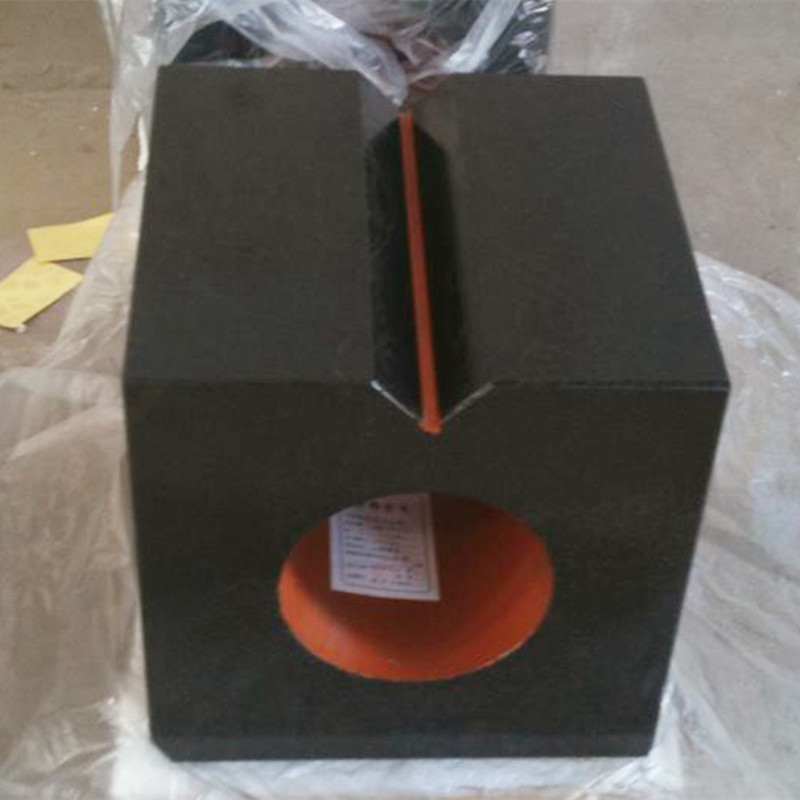
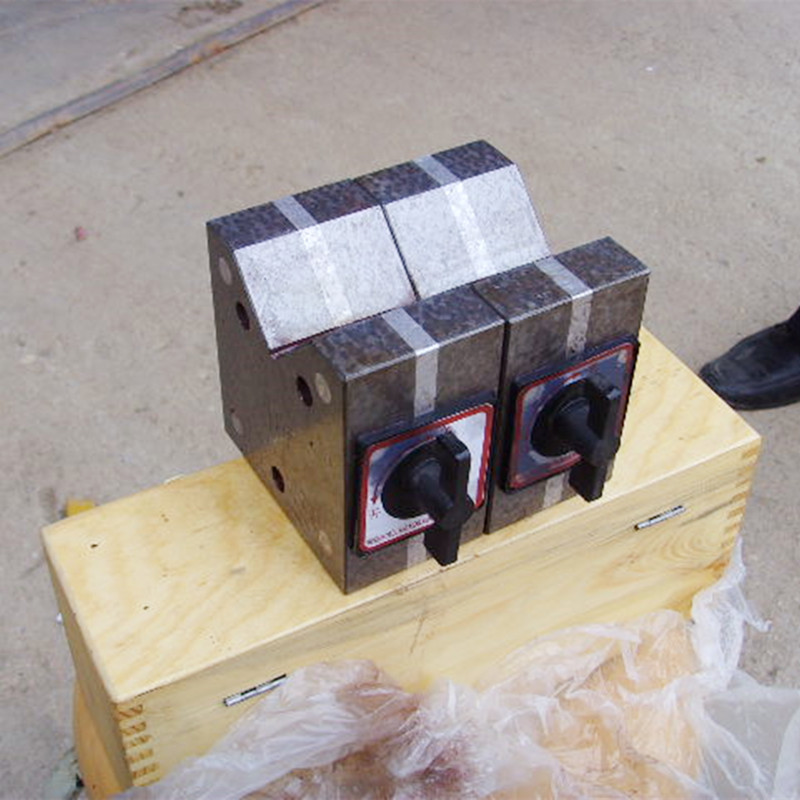
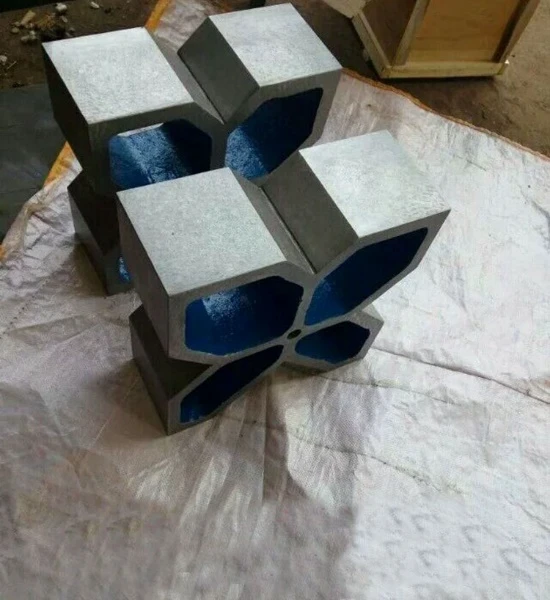
V Blocks Available for Purchase at Great Prices
V Blocks for Sale A Comprehensive Guide V blocks, also known as V-blocks or V-block clamps, are esse
Wichtigkeit der Genauigkeit in der modernen Mess- und Regeltechnik
Der Einfluss von Gauge C auf die moderne Technologie In der heutigen digitalen Welt spielen Präzisio
water valve
Understanding Water Valves A Key Component in Fluid Control Systems Water valves are crucial compone
 English